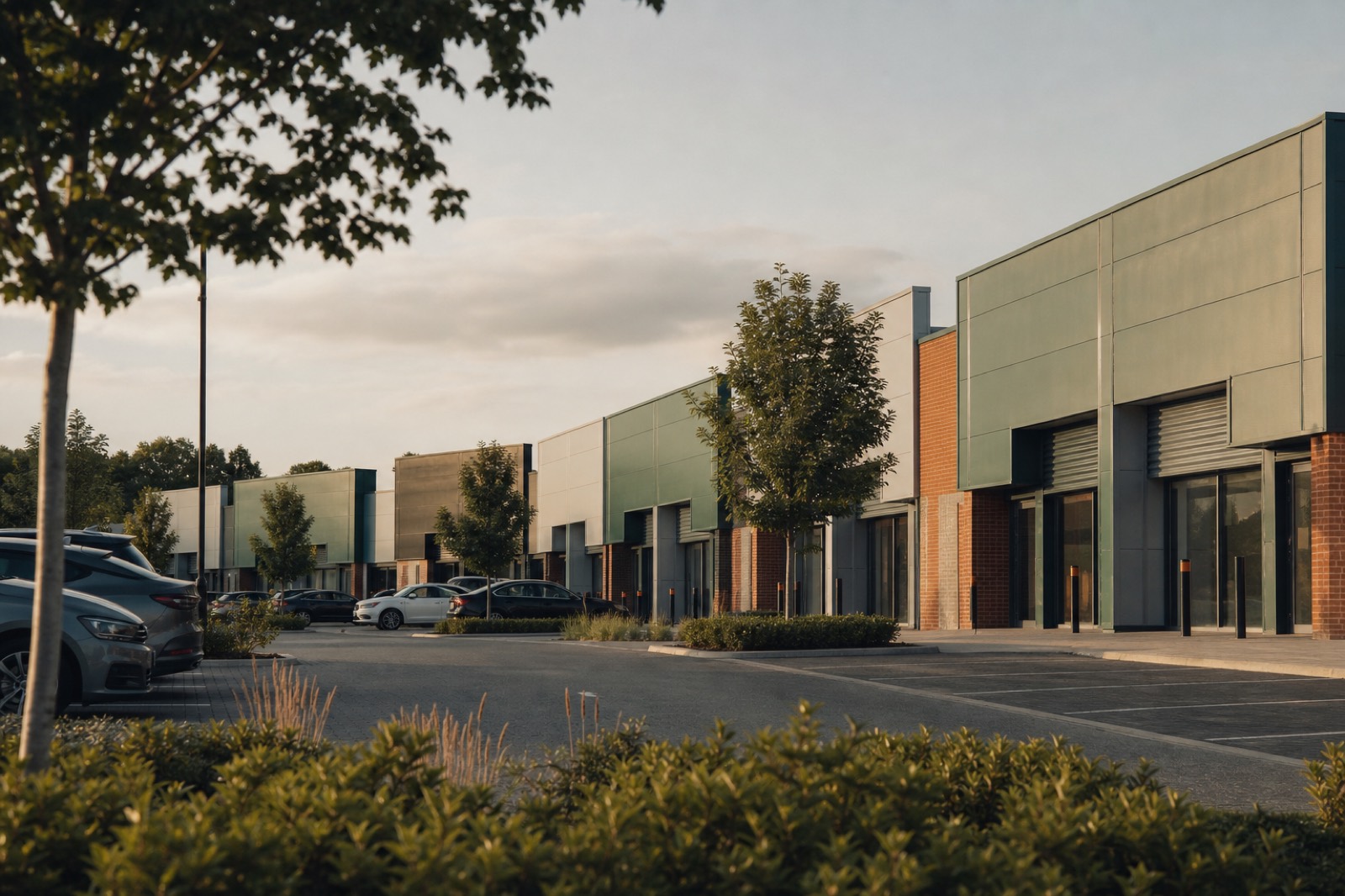
Flat above shop finance
Finance for a ground-floor shop with one or more flats above, treated as a single semi-commercial title.

Financing shop with flat above
A shop with flat above is the classic semi-commercial asset: a ground-floor retail unit with self-contained residential accommodation on the upper floors, usually held on one freehold or long leasehold title. Because the property mixes a commercial element and a residential element, most lenders treat the whole building as semi-commercial rather than as two separate units, and they fund it with a semi-commercial mortgage rather than a standard buy to let or residential product.
We are a finance arranger and introducer, not a lender, and we arrange the full range of finance for this asset, not just a mortgage. One buyer needs a term semi-commercial mortgage to hold the building and collect the combined rent; another needs bridging to complete fast or to buy the unit at auction; another wants light or heavy refurbishment finance to bring a tired flat back into use, or development finance to build extra flats over the shop. We place shop-with-flat cases with the banks and specialist lenders that actively want them. The split between the shop and the flat matters: where the residential element is roughly 40 percent or more of the floor area or value, some lenders will look at it on residential terms, while a genuinely mixed building sits squarely in the semi-commercial bucket.
Configurations we finance
- Single shop with one self-contained flat above
- Shop with two or more flats on the upper floors
- Vacant or part-let parade unit being brought back into use
- Owner-occupied shop with the owner living above
Indicative terms
- Indicative rate6.5 to 8.5% a year
- Loan to valueUp to 70 to 75% of value
- Deposit25 to 30%
- Affordability125 to 140% ICR on combined rent
- Term5 to 25 years
Indicative only. Terms vary by lender, property and borrower and are not an offer of finance.
How we fund a shop with flat above
For a hold, we size a term mortgage on the combined income from the shop lease and the residential flat, tested at an interest cover ratio of around 125 to 140 percent on a stressed rate, to 70 to 75 percent loan to value with a deposit of 25 to 30 percent over a 5 to 25 year term. Where speed matters, on an auction lot or a chain-free purchase, semi-commercial bridging at about 0.70 to 0.95 percent a month can complete in weeks and exit onto that mortgage once the income is in place. Where the flat needs work, light refurbishment finance funds a cosmetic upgrade and heavy refurbishment finance a fuller conversion of the upper floors; a bridge-to-let facility rolls the works and the term loan into one plan. Where you are building additional flats above the shop, semi-commercial development finance funds the scheme on a loan to cost and GDV basis. Where you will live in the flat yourself, the loan can fall under FCA-regulated rules, and we refer those cases to a regulated firm. Lenders weigh the quality of the shop tenant, the length of any commercial lease, and whether the flat has its own access, since a separate residential entrance widens the field of lenders and improves the valuation.
Lender appetite for flats above shops
A deep field of specialist and challenger banks funds shops with flats above, including Shawbrook, InterBay Commercial, Together, Allica, Cynergy Bank and Cambridge & Counties, alongside high street names such as NatWest and Lloyds for stronger covenants. Lenders prefer a flat with separate access from the shop, an unbroken or short commercial void, and a residential element that lets readily in the local market. A nil-deposit or very high loan to value request is rare on this asset, but a clean building with two payable income streams attracts competitive pricing.
Exit and refinance options
Most owners hold a shop with flat above on a term mortgage and refinance at the end of the fixed or interest-only period, often onto a semi-commercial remortgage once the building is fully let and the value is proven. Where the purchase needs speed, a planning angle, or a refurbishment before the flat can be let, semi-commercial bridging or a bridge-to-let facility can complete first and exit onto a term loan once the income is in place. A development scheme that adds flats above exits onto a term mortgage or a sale of the new units. Some investors split the title and sell the flat on a long lease, though that changes the mix and the future financing.
Finance structures that suit this sector
- Semi-commercial mortgageThe core term loan for a mixed retail and residential building, sized on combined rent.
- Semi-commercial investment mortgageFor a buy to let investor holding the shop and flat for rent.
- Semi-commercial bridgingFast completion, an auction purchase, or works before the flat is let.
- Bridge to let financeRefurbish the flat, then term out onto a mortgage on one plan.
- Heavy refurbishment financeConvert or rebuild the upper floors before refinancing.
- Semi-commercial development financeBuild extra flats above the shop on a loan to cost and GDV basis.
Finance a shop with flat above
A view on lenders and likely terms within one working day.
What drives the numbers on a shop with flat above
A shop with flat above earns two rents: the commercial rent from the retail lease and the residential rent from the flat. Lenders blend those streams, capitalise them at a semi-commercial yield to set the valuation, and stress the total at an interest cover ratio of around 125 to 140 percent. The split between the shop and the flat decides whether the building is underwritten as semi-commercial or, where the residential element passes roughly 40 percent, on residential terms.
Indicative shop and flat mortgage rates
We arrange semi-commercial mortgages on a shop with flat above from around 6.5 to 8.5 percent a year, to 70 to 75 percent loan to value, with a deposit of 25 to 30 percent over a 5 to 25 year term. Owner-occupiers trading from the shop are tested on business affordability and can reach 6.0 to 7.5 percent, while a fast purchase can complete on semi-commercial bridging at 8.5 to 11 percent before a term refinance.
Local commercial planning activity
Recent commercial planning records relevant to shop with flat above, drawn from local-authority data.
-
Smithfield Birmingham Masterplan, Bullring, Pershore Street, Birmingham B5 6PB
Hybrid planning application for the redevelopment of Smithfield Birmingham to provide a mixed-use scheme including residential, retail, F&B, leisure, hotel, office and public realm, by Lendlease Europe and Birmingham City Council
View on the planning portal → -
3 Centenary Square (Three Centenary Way / Paradise Phase 3), Broad Street, Birmingham B1 2DT
Detailed planning application for office building of approximately 280,000 sq ft Grade A office accommodation with retail / F&B at ground floor, Paradise Birmingham Phase 3, Argent and Birmingham City Council JV
View on the planning portal → -
Beorma Quarter Phase 2, Digbeth High Street, Birmingham B5 4BU
Mixed-use scheme: 36-storey residential tower, 19-storey hotel, 10-storey office building and ground-floor retail / F&B, fronting the Curzon Investment Plan area
View on the planning portal → -
Fort Dunlop, Fort Parkway, Erdington, Birmingham B24 9FE
Refurbishment of existing office and retail accommodation at Fort Dunlop, including Class E reconfiguration and energy-efficiency upgrades
View on the planning portal → -
Martineau Galleries, Corporation Street, Birmingham B4 6BU
Hybrid application for the redevelopment of Martineau Galleries to provide residential, hotel, retail, F&B, office and public realm at the eastern end of New Street, Hammerson and Lendlease
View on the planning portal → -
Jewellery Quarter, Vyse Street and Warstone Lane, Birmingham B18 6JT
Change of use of three existing light-industrial workshops to mixed Class E commercial / studio use, retaining historic frontages within the JQ conservation area
View on the planning portal →
Frequently asked questions
Are flats above shops mortgageable?
Yes. A flat above a shop is mortgageable, usually as part of a semi-commercial mortgage covering the whole building, or occasionally on a buy to let basis where the title is split. Lenders look most favourably on a flat with its own separate access from the shop.
Why do some lenders not like flats above shops?
Mainstream residential lenders shy away from the commercial element and the use class below the flat, particularly hot-food or licensed premises. Specialist semi-commercial lenders have no such issue and price the whole building on its combined commercial and residential income.
What deposit do I need for a shop with a flat above?
Typically 25 to 30 percent, giving a loan to value of 70 to 75 percent. A stronger shop covenant, a separate flat entrance and a clean letting history can move you toward the better end of that range.
Can I live in the flat above my own shop?
Yes. Where you will personally occupy the residential element, the loan can fall within FCA-regulated mortgage rules. We are not authorised to advise on regulated lending, so we refer those owner-occupier cases to a regulated firm.
Financing a shop with flat above?
Tell us about the property and we will come back with a view on lenders and likely terms.