Heavy refurbishment finance
Finance for structural works, a change of use or a project needing planning and building regulations, funded against the day-one value plus a staged tranche for the works.

What heavy refurbishment finance is
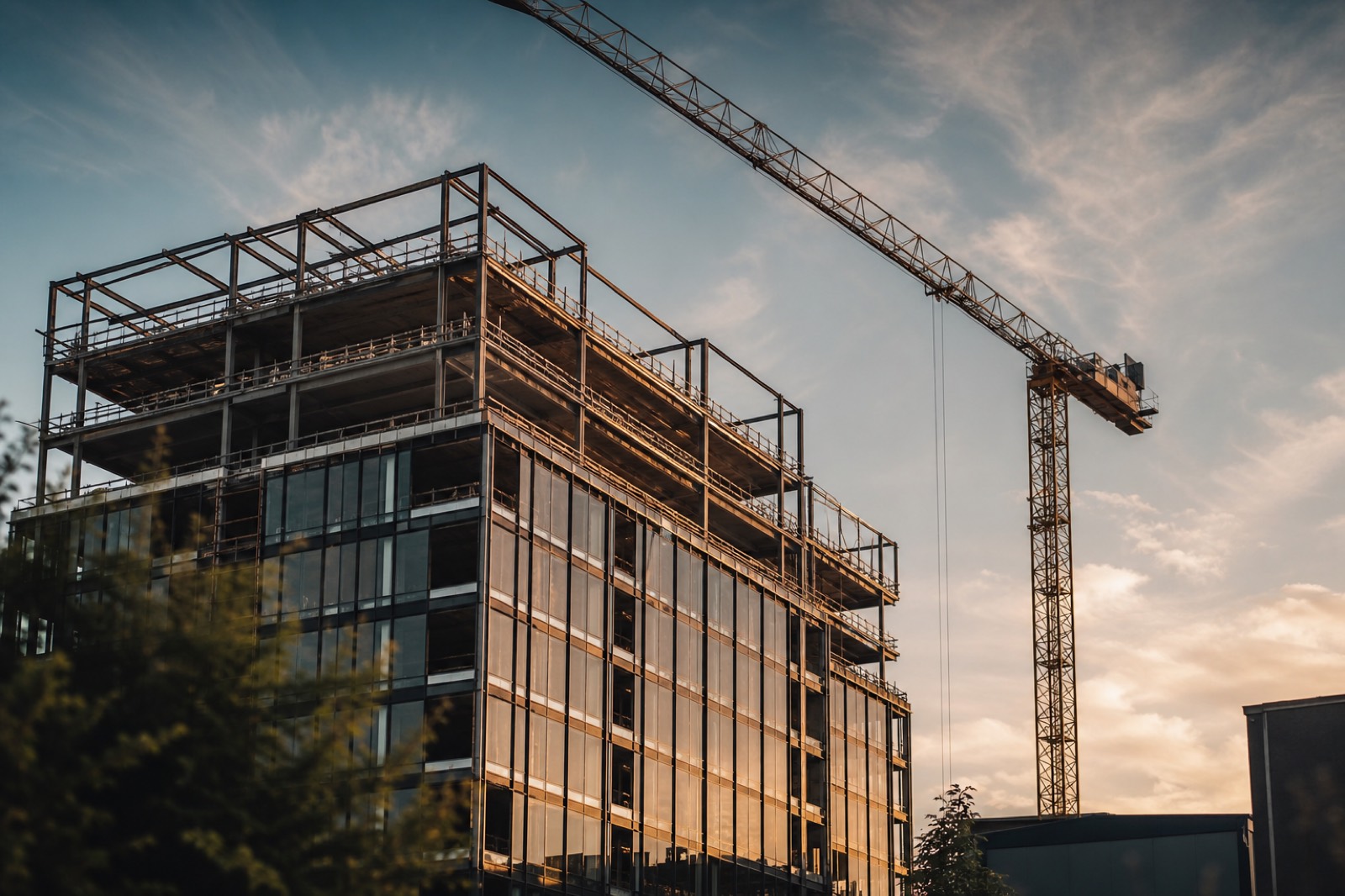
Heavy refurbishment finance funds substantial works on a property: structural alterations, extensions, a change of use, or anything that needs planning permission or building regulations approval. Converting the upper floors of a shop into flats, reconfiguring a building's layout, or changing how a property is used all sit in this bracket. The finance is structured differently from a light refurbishment bridge, because the works are larger, take longer and add more value.
A heavy refurbishment facility is typically funded against the day-one value of the property, often around 70 percent net, plus a separate tranche covering up to 100 percent of the works, released in stages against a surveyor's inspections as the project progresses. Interest is usually rolled up. The loan is repaid at the end by refinancing onto a term mortgage on the finished, revalued property or by selling it.
We are a finance arranger and introducer, not a lender. Heavy refurbishment on property held for business or investment is unregulated lending, outside the FCA's regulated mortgage perimeter. Where an individual will occupy the residential element once works are complete, regulated rules can apply and we refer those cases to a regulated firm.
- Funds structural works, change of use and larger projects
- Planning permission and building regulations involved
- Day-one value of about 70 percent plus a works tranche
- Works funding released in stages against inspections
- Exit to a term mortgage or a sale on the finished asset
Indicative terms
- Day-one loanOften net ~70% of value
- WorksUp to 100% of works, staged
- RateAbout 0.70 to 0.95% a month (indicative)
- TermTypically 6 to 24 months
- InterestUsually rolled up or retained
- ExitTerm refinance or sale
Indicative only. Terms vary by lender, property and borrower and are not an offer of finance.
Who it suits
- Investors converting upper floors to flats
- Buyers changing the use of a mixed-use building
- Landlords funding structural works before letting
- Developers of a small mixed-use refurbishment scheme
Discuss heavy refurbishment finance
A view on lenders and likely terms within one working day.
How heavy refurbishment finance works
Scope the project
We review the works, the planning position and building regulations, the budget and the projected end value, since these set how the facility is structured.
Structure value plus works
We arrange a day-one advance against the current value, often around 70 percent net, plus a separate tranche of up to 100 percent of the works.
Draw works in stages
The works funding is released in stages against a monitoring surveyor's inspections as the project hits each milestone, with interest rolled up.
Refinance or sell
On completion the property is revalued and the facility is repaid by a term mortgage on the finished asset or by a sale.
Who can get heavy refurbishment finance
Heavy refurbishment finance suits individuals, partnerships and limited companies, and lenders weigh experience more heavily than on a light refurbishment because the works are larger and carry more risk. A track record of similar projects helps, though first-time borrowers are fundable with a strong team, a realistic budget and a clear exit. Lenders assess the works, the planning and building regulations position, the projected end value and the credibility of the refinance or sale. A property with planning already in place and a costed, scheduled build is the strongest case, since it removes the main uncertainties before the facility completes.
How much heavy refurbishment finance provides
A heavy refurbishment facility usually combines a day-one advance of around 70 percent net of the current value with a works tranche covering up to 100 percent of the build cost, released in stages. The total is also tested against the projected end value, so the all-in loan stays within a prudent share of what the finished property will be worth. Funding the works in full, staged against inspections, means you are not financing the whole build from your own cash up front, while the day-one advance reflects the property as it stands before any uplift. The finished value then drives how much the term mortgage can release on exit.
Rates, fees and the cost of a heavy refurbishment
Heavy refurbishment finance is priced monthly at around 0.70 to 0.95 percent a month, roughly 8.5 to 11 percent a year for mid-2026, with interest commonly rolled up. Because the works are staged, expect a monitoring surveyor's fees alongside the arrangement fee of around 1.5 to 2 percent, the valuation and the legal costs on both sides. The larger scope and longer term make the total cost higher than a light refurbishment, which is why a tight schedule and a prompt exit matter. These figures are indicative and not an offer of finance.
Heavy refurbishment against development finance
Heavy refurbishment finance funds substantial works on an existing building, structured against the day-one value plus a works tranche. Development finance funds a ground-up build or a larger scheme and is sized instead on loan to cost and the gross development value. The line between them is the scale and nature of the project: reconfiguring or converting an existing building is usually heavy refurbishment, while building out a new mixed-use scheme is development. We confirm which structure fits the project, since the wrong label leads to the wrong lender and the wrong terms.
Heavy refurbishment finance: common questions
What is heavy refurbishment finance?
It is short-term finance for substantial works on a property, such as structural alterations, a change of use, or anything needing planning permission or building regulations. It is funded against the day-one value plus a tranche of up to 100 percent of the works, released in stages, and repaid by a term mortgage or sale.
What works count as heavy refurbishment?
Structural alterations, extensions, converting upper floors to flats, a change of use, or any project that needs planning permission or building regulations approval. Cosmetic, non-structural work that needs neither is light refurbishment and is funded more simply.
How much can you borrow on a heavy refurbishment loan?
Typically a day-one advance of around 70 percent net of the current value, plus up to 100 percent of the works released in stages, with the total kept within a prudent share of the projected end value. The finished value then sets how much the exit mortgage can release.
How do you repay heavy refurbishment finance?
By refinancing onto a term mortgage on the finished, revalued property, or by selling the completed asset. The exit is agreed before the facility completes, because the whole structure depends on the property reaching a finished, mortgageable or saleable state.
Discuss heavy refurbishment finance
Send us the property details and we will come back with a view on lenders and likely terms within one working day.